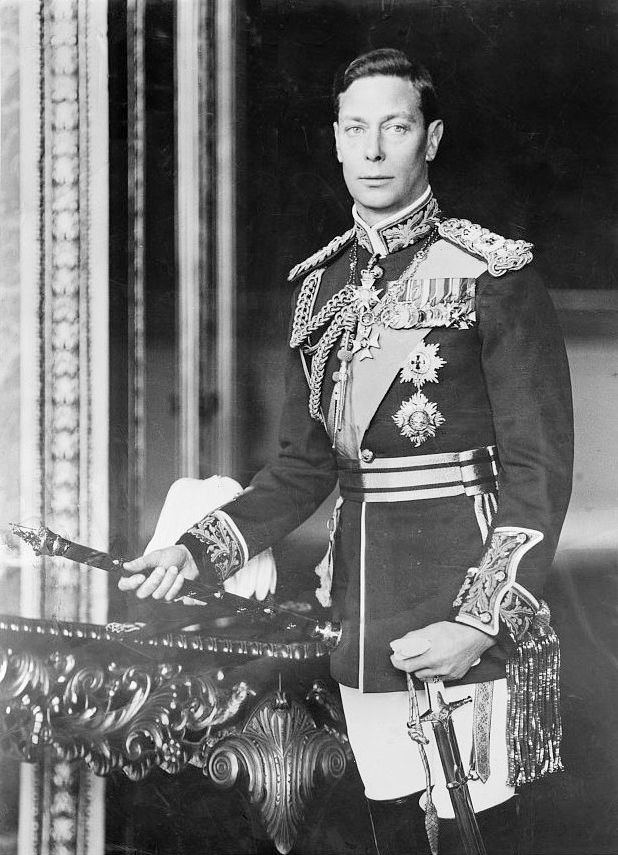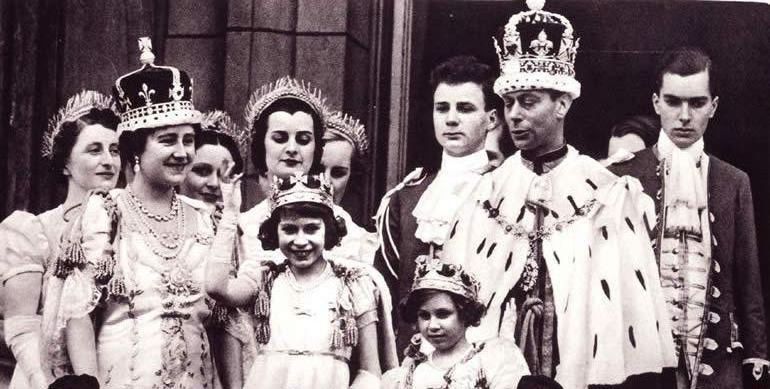
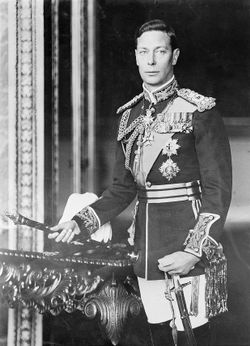
British Monarch. He ascended the throne on 11 December 1936, after the abdication of his brother Edward VIII. Generally considered a man of weak character, he showed, during World War II, to have energy and great charisma. He had valid help from his wife Elizabeth Bowes-Lyon and Sir Winston Churchill, appointed Prime Minister in May 1940, in addressing the serious problems of the United Kingdom. He was highly respected by his people because the royal family flatly refused to leave England during the bombing of London, and when the German invasion seemed imminent. After the war, despite his health being in decline, he was a promoter of economic and social recovery of Great Britain.
British Monarch. He ascended the throne on 11 December 1936, after the abdication of his brother Edward VIII. Generally considered a man of weak character, he showed, during World War II, to have energy and great charisma. He had valid help from his wife Elizabeth Bowes-Lyon and Sir Winston Churchill, appointed Prime Minister in May 1940, in addressing the serious problems of the United Kingdom. He was highly respected by his people because the royal family flatly refused to leave England during the bombing of London, and when the German invasion seemed imminent. After the war, despite his health being in decline, he was a promoter of economic and social recovery of Great Britain.
Bio by: Find a Grave
Inscription
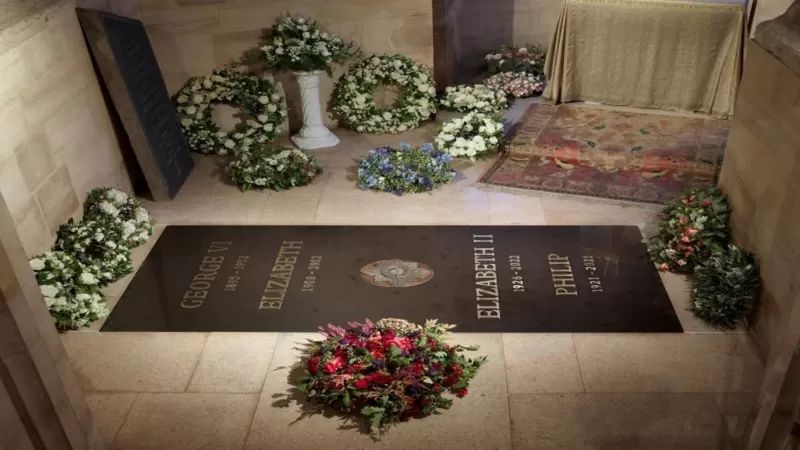
George VI 1895-1952
Elizabeth 1900-2002
Elizabeth II 1926-2022
Philip 1921-2021
Gravesite Details
The slab is made of hand-carved Belgian black marble, inlaid with brass letters, (vf)
Family Members


Advertisement
See more George VI memorials in:
Records on Ancestry
Sponsored by Ancestry
Advertisement