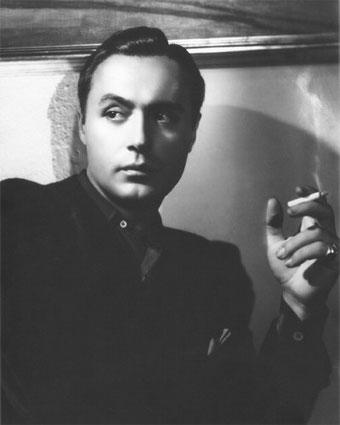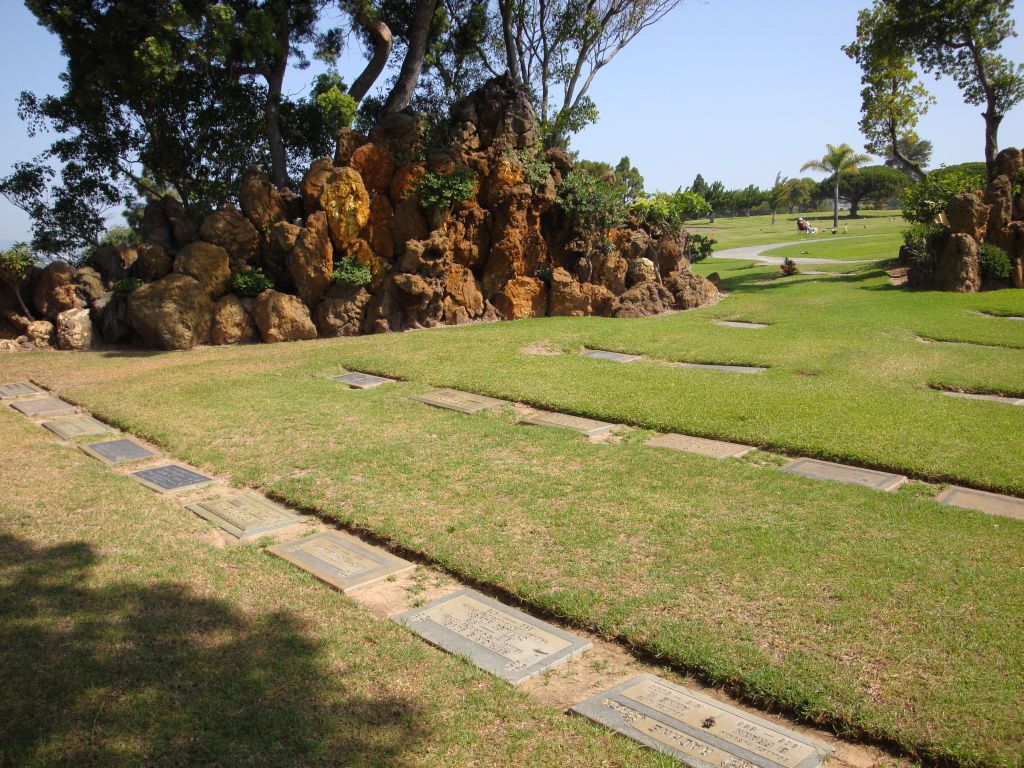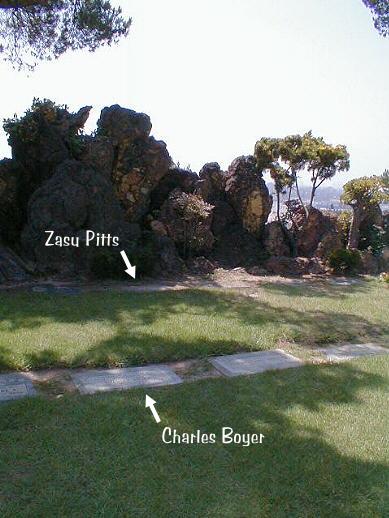
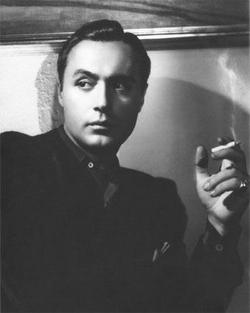
Actor. Born in Figeac, France, he was a distinguished performer who appeared in more than 80 films between 1920 and 1976. He began his career in the theater and made his big screen debut in "L'homme du large" (1920). Relocating to America, he became a U.S. citizen in 1942 and performed on Broadway, where he received two Best Actor Tony Awards in 1952 and 1963. He received four Academy Award nominations for Best Actor and his most memorable film performances include "Love Affair" (1939), "Gaslight" (1944), "Around the World in Eighty Days" (1956), "How to Steal a Million" (1963), and "Barefoot in the Park" (1967). He also appeared on 29 episodes of the TV series "Four Star Playhouse," plus episodes of "I Love Lucy," "Alcoa Theatre," "What's My Line," "Rogues," and many more. For his contributions to the motion picture and television industries, he has two stars on the Hollywood Walk of Fame. He died at age 78 in Phoenix, Arizona.
Actor. Born in Figeac, France, he was a distinguished performer who appeared in more than 80 films between 1920 and 1976. He began his career in the theater and made his big screen debut in "L'homme du large" (1920). Relocating to America, he became a U.S. citizen in 1942 and performed on Broadway, where he received two Best Actor Tony Awards in 1952 and 1963. He received four Academy Award nominations for Best Actor and his most memorable film performances include "Love Affair" (1939), "Gaslight" (1944), "Around the World in Eighty Days" (1956), "How to Steal a Million" (1963), and "Barefoot in the Park" (1967). He also appeared on 29 episodes of the TV series "Four Star Playhouse," plus episodes of "I Love Lucy," "Alcoa Theatre," "What's My Line," "Rogues," and many more. For his contributions to the motion picture and television industries, he has two stars on the Hollywood Walk of Fame. He died at age 78 in Phoenix, Arizona.
Bio by: John "J-Cat" Griffith
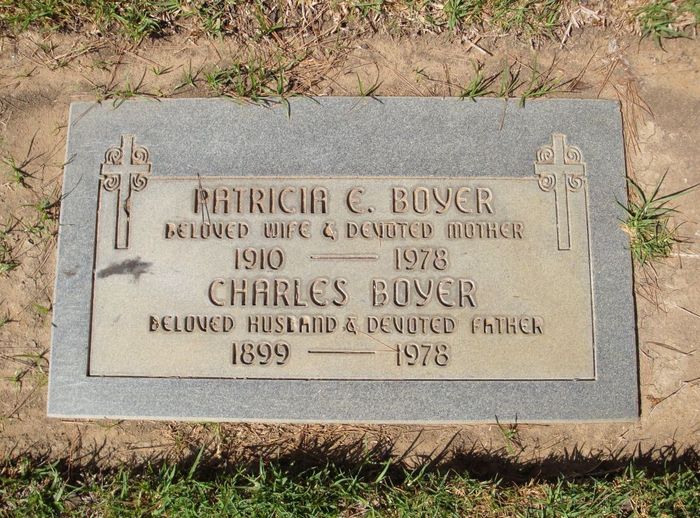
Inscription
PATRICIA C. BOYER
BELOVED WIFE & DEVOTED MOTHER
1910-1978
CHARLES BOYER
BELOVED HUSBAND & DEVOTED FATHER
1899-1978
Family Members

Children

Advertisement
See more Boyer memorials in:
Records on Ancestry
Sponsored by Ancestry
Advertisement