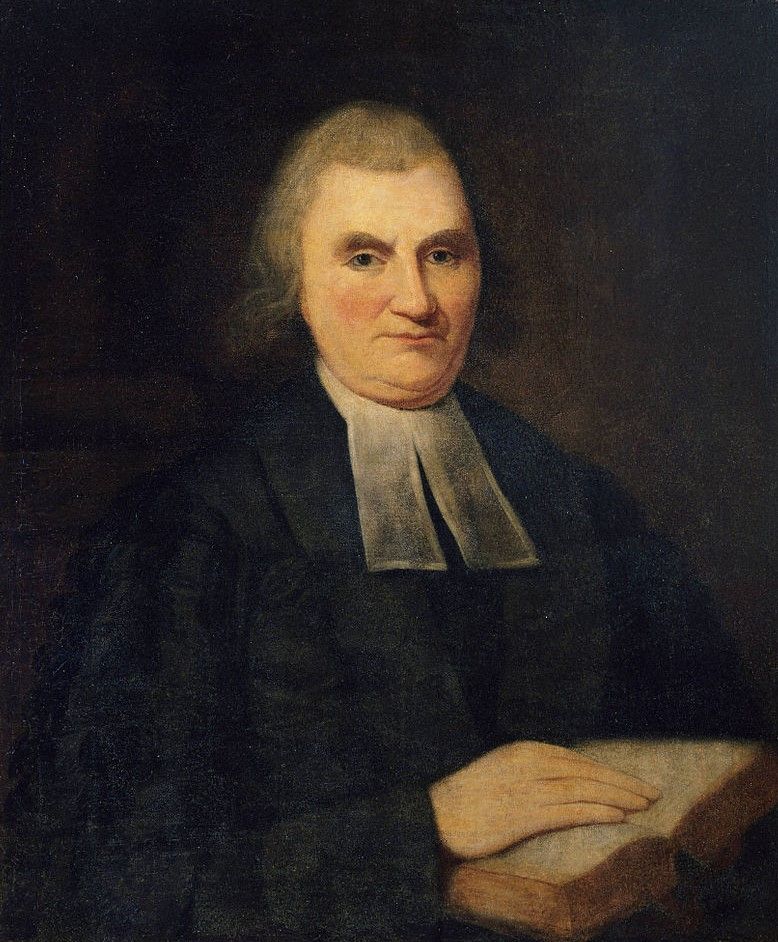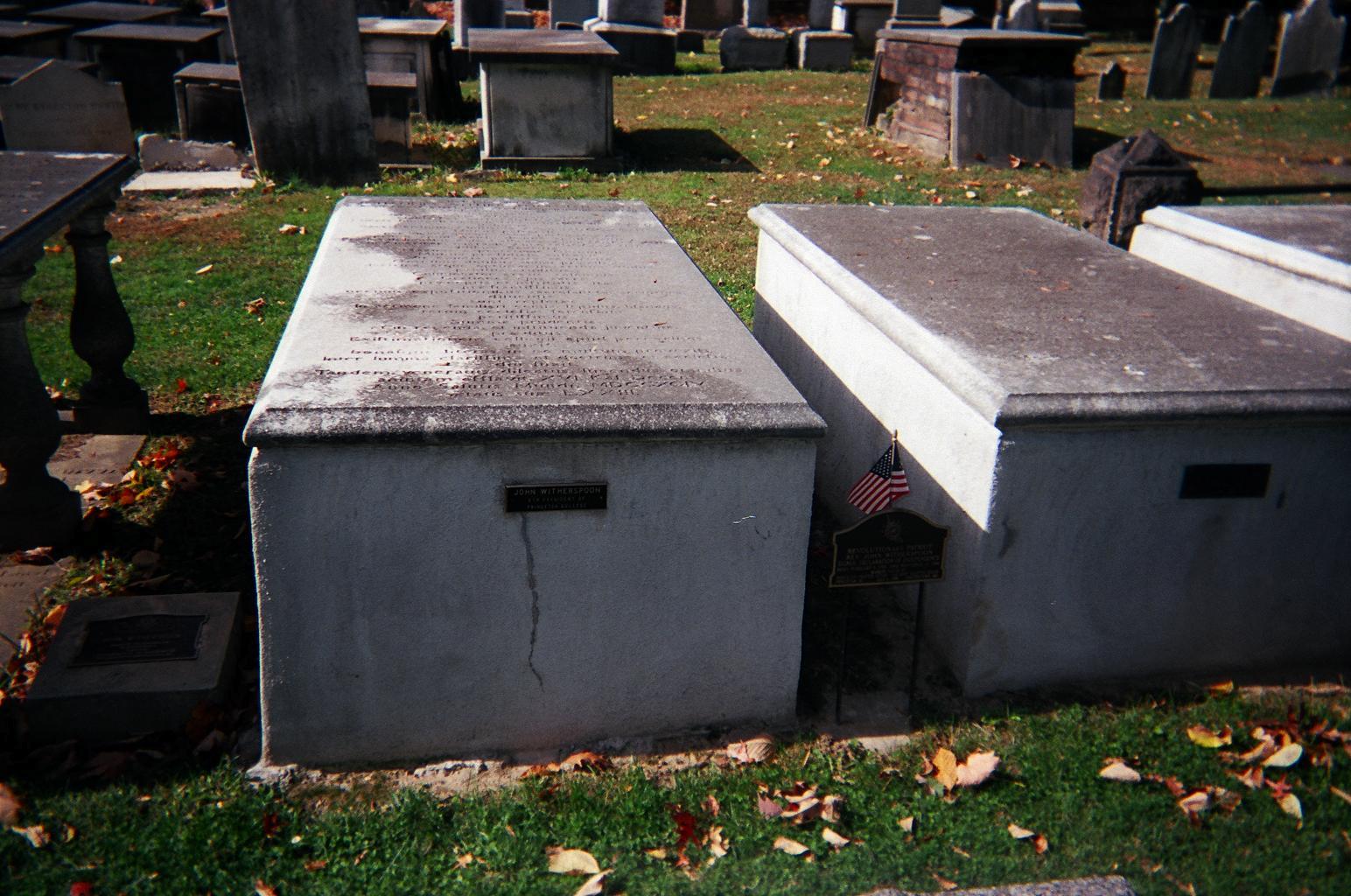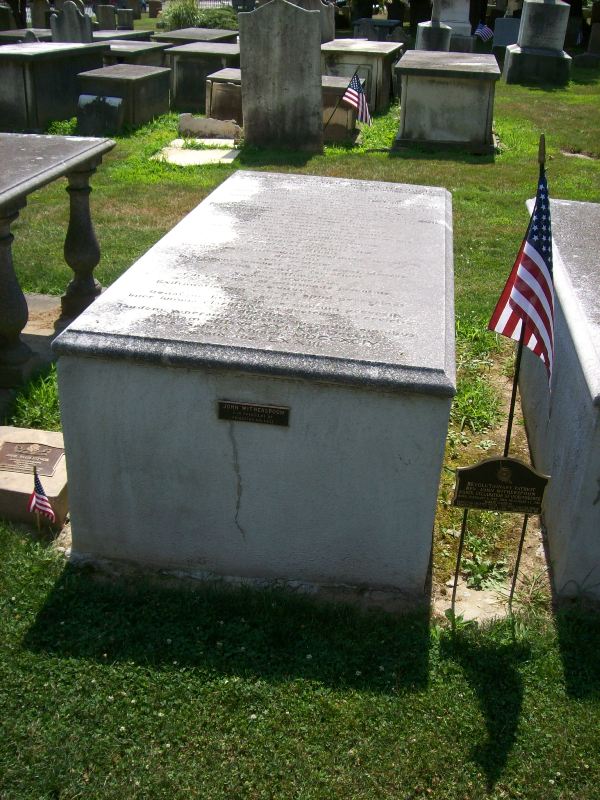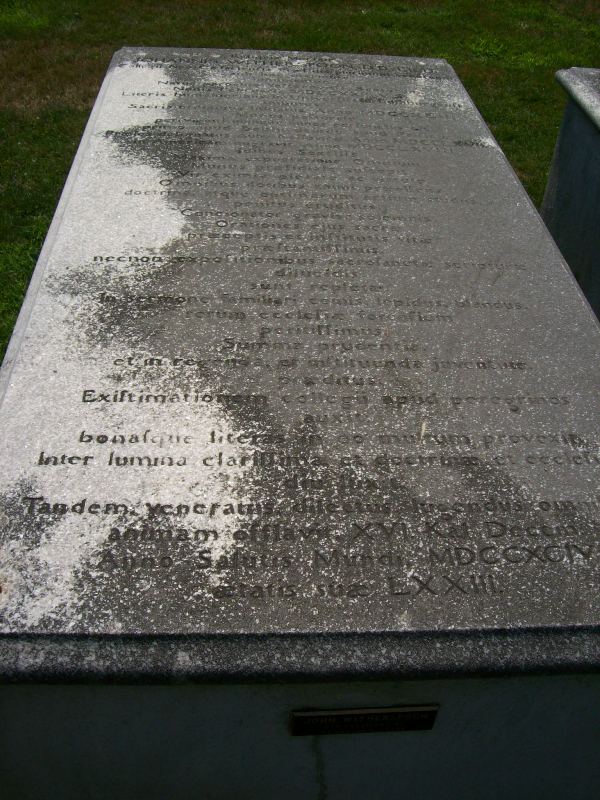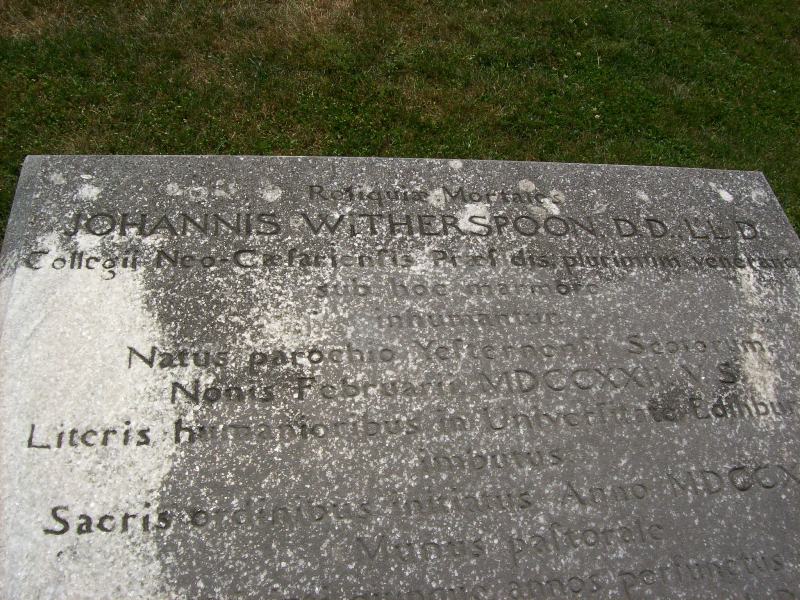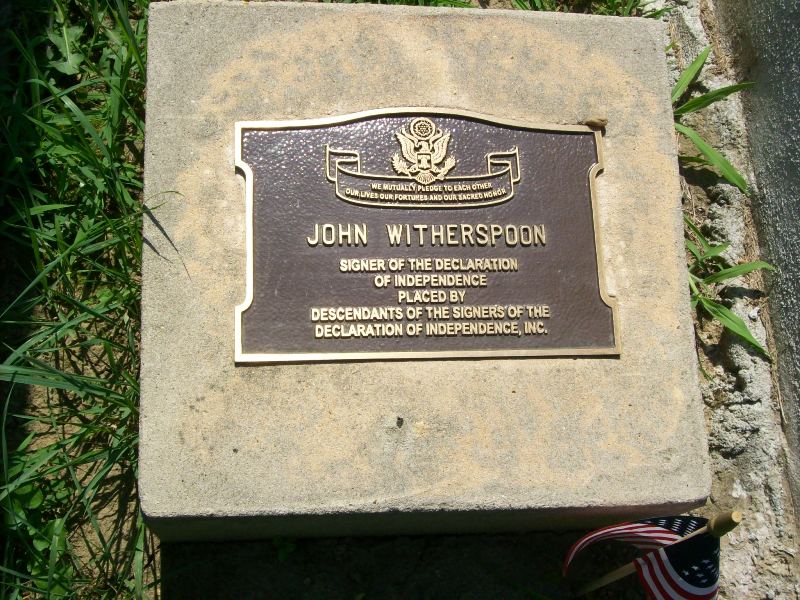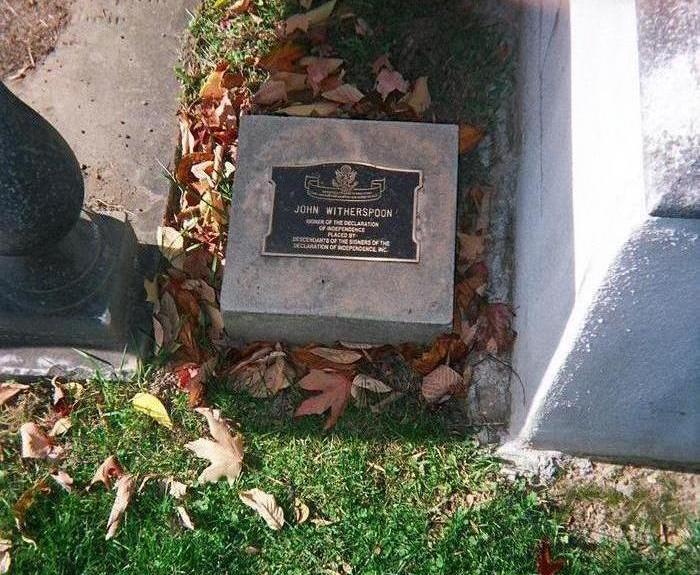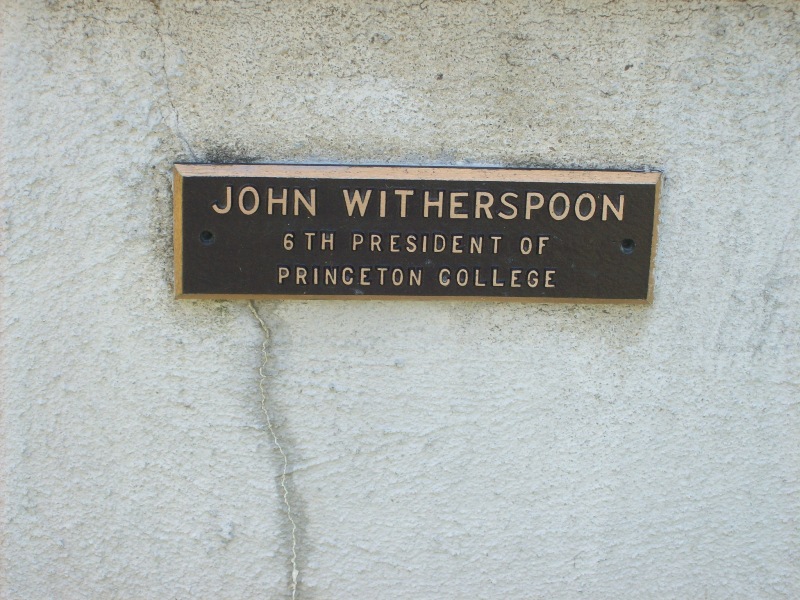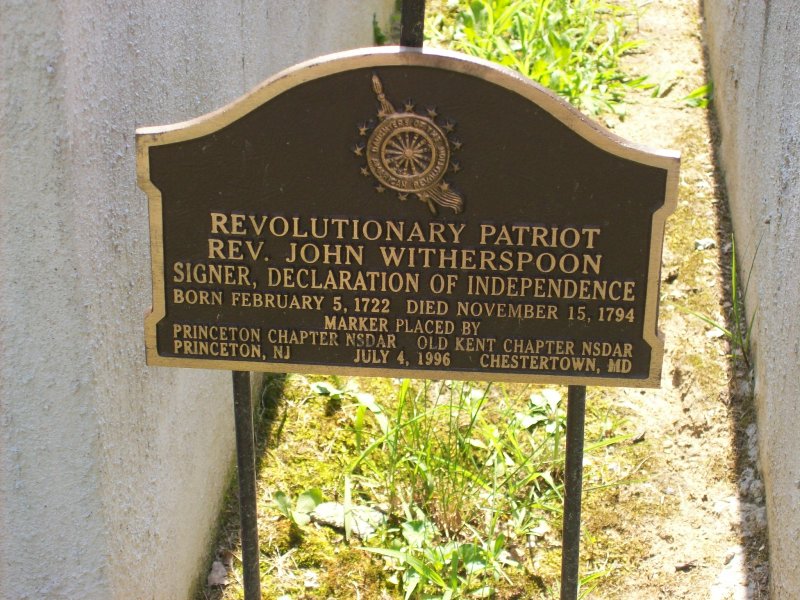
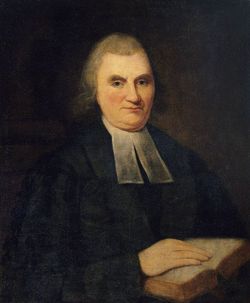
Declaration of Independence Signer. Born in Scotland to a family of clergymen, he was trained to become a Presbyterian minister. At the age of four, he could read the Bible. At the age of 13, he entered college and at age 20, he was licensed to preach. In 1746, he helped to raise troops to fight Scottish rebels who were rebelling against English domination in Scotland. The rebels captured him, imprisoned him in a castle, and threatened to kill him. Although he was released unharmed a few days later, he later had trouble sleeping, and would often faint in broad-daylight. Nonetheless, he became on of Scotland's leading Presbyterian ministers. In 1768, he left Scotland to travel to New Jersey, to accept a position as President of the College of New Jersey (now known as Princeton University). His wife, Elizabeth, with whom he had ten children, wanted to stay in Scotland, but he finally was able to convince her to come with him. For the next 26 years, he would serve as Princeton's President, helping to make it a great institution for higher learning. John Witherspoon would profess that he loved his new home in New Jersey, and that he had "become an American the moment he landed." He quickly sided with the patriots who favored independence, and in June 1776, he was elected to Congress. On July 2, 1776, the day of the vote on independence, another delegate claimed that America wasn't yet ripe enough for independence. Witherspoon immediately declared "It is not only ripe for the measure, but in danger of rotting for the want of it." Witherspoon became the only clergyman to sign the Declaration of Independence. Between 1776 and 1782, Witherspoon would serve on more than 100 committees, wearing his minister's robes in Congress to remind the delegates that God was on their side. Despite personal setbacks Witherspoon never lost his belief that America would prevail in the struggle for independence. In 1777, his son was killed at the Battle of Germantown, and later that year, the British burned their home. In addition, part of the Battle of Princeton in 1777 was fought on the college campus – the college was so badly damaged that it was closed for several years. After the Revolutionary War, he continued to serve as President of the College of New Jersey, but spend several years working to rebuild the college. He was a member of the New Jersey convention that ratified the US Constitution, making New Jersey the third state to approve the Constitution. Elizabeth Witherspoon died in 1789. Two years later, the 68-year old minister married 24 year old Ann Dill, with whom he would have two daughters. John Witherspoon would die on his farm near Princeton in 1794 at the age of 71.
Declaration of Independence Signer. Born in Scotland to a family of clergymen, he was trained to become a Presbyterian minister. At the age of four, he could read the Bible. At the age of 13, he entered college and at age 20, he was licensed to preach. In 1746, he helped to raise troops to fight Scottish rebels who were rebelling against English domination in Scotland. The rebels captured him, imprisoned him in a castle, and threatened to kill him. Although he was released unharmed a few days later, he later had trouble sleeping, and would often faint in broad-daylight. Nonetheless, he became on of Scotland's leading Presbyterian ministers. In 1768, he left Scotland to travel to New Jersey, to accept a position as President of the College of New Jersey (now known as Princeton University). His wife, Elizabeth, with whom he had ten children, wanted to stay in Scotland, but he finally was able to convince her to come with him. For the next 26 years, he would serve as Princeton's President, helping to make it a great institution for higher learning. John Witherspoon would profess that he loved his new home in New Jersey, and that he had "become an American the moment he landed." He quickly sided with the patriots who favored independence, and in June 1776, he was elected to Congress. On July 2, 1776, the day of the vote on independence, another delegate claimed that America wasn't yet ripe enough for independence. Witherspoon immediately declared "It is not only ripe for the measure, but in danger of rotting for the want of it." Witherspoon became the only clergyman to sign the Declaration of Independence. Between 1776 and 1782, Witherspoon would serve on more than 100 committees, wearing his minister's robes in Congress to remind the delegates that God was on their side. Despite personal setbacks Witherspoon never lost his belief that America would prevail in the struggle for independence. In 1777, his son was killed at the Battle of Germantown, and later that year, the British burned their home. In addition, part of the Battle of Princeton in 1777 was fought on the college campus – the college was so badly damaged that it was closed for several years. After the Revolutionary War, he continued to serve as President of the College of New Jersey, but spend several years working to rebuild the college. He was a member of the New Jersey convention that ratified the US Constitution, making New Jersey the third state to approve the Constitution. Elizabeth Witherspoon died in 1789. Two years later, the 68-year old minister married 24 year old Ann Dill, with whom he would have two daughters. John Witherspoon would die on his farm near Princeton in 1794 at the age of 71.
Bio by: Kit and Morgan Benson
Family Members


Advertisement
See more Witherspoon memorials in:
Explore more
Sponsored by Ancestry
Advertisement